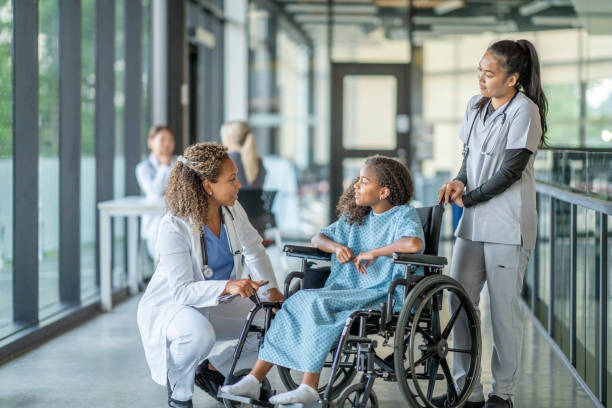
Recovery from addiction and mental health challenges is rarely a solo journey. It is shaped by the strength of the support systems around a person, including healthcare access, community programs, and long term care options. In Canadian and U.S. cities, these support systems are built differently, reflecting distinct healthcare structures and cultural approaches to wellbeing. While both countries offer meaningful pathways to healing, the way recovery and community care are delivered can significantly impact how individuals access and experience treatment.
Recovery and Community Care in Canadian Cities
Publicly Funded Access to Essential Services
One of the defining strengths of Canadian cities is the role of publicly funded healthcare in addiction recovery and mental health treatment. Many services, including inpatient care, outpatient counseling, and psychiatric support, are available through provincial healthcare systems.
This structure helps reduce financial barriers that often prevent individuals from seeking help. As a result, more people can access care earlier, which is a key factor in improving long term recovery outcomes.
Community Integrated Support Networks
Canadian recovery systems place strong emphasis on community integration. Local health authorities, outreach programs, and peer support groups work together to provide continuous care that extends beyond clinical settings.
Harm reduction programs are also widely used. These include supervised consumption services, outreach nursing, and access to naloxone. The goal is to reduce immediate risks while building trust and guiding individuals toward long term treatment options.
Holistic and Person Centered Care
Many Canadian cities incorporate holistic care into recovery planning. This may include mental health counseling, physical wellness programs, mindfulness practices, and culturally sensitive support services.
Family involvement is often encouraged, helping to strengthen support systems at home. This whole person approach recognizes that recovery is influenced by emotional, physical, social, and environmental factors.
Recovery and Community Care in U.S. Cities
A Diverse and Flexible Treatment Landscape
In the United States, recovery services are delivered through a combination of public programs, private providers, and nonprofit organizations. This creates a wide range of inpatient and outpatient treatment options.
Many U.S. cities offer highly specialized programs, including dual diagnosis treatment for individuals facing both mental health disorders and substance use challenges. This allows for more tailored care plans based on individual needs.
Strong Role of Nonprofit and Community Organizations
Community care in U.S. cities is heavily supported by nonprofit and faith based organizations. These groups often provide essential services such as recovery coaching, housing support, job training, and peer mentorship.
These programs extend recovery beyond clinical treatment and help individuals rebuild stability in everyday life. Community connection plays a major role in maintaining long term recovery.
Individualized and Multi Layered Care
A key feature of U.S. recovery systems is flexibility. Treatment plans are often highly individualized, combining different approaches such as cognitive behavioral therapy, medication assisted treatment, trauma informed care, and holistic wellness services.
This layered approach allows individuals to engage in care that matches their personal history, needs, and recovery goals.
Key Differences Between Canadian and U.S. Support Systems
Accessibility and Healthcare Structure
Canadian cities generally provide more consistent access to care due to public healthcare funding. This reduces cost related barriers and supports earlier intervention.
In contrast, U.S. cities offer a broader variety of specialized services, but access may depend on insurance coverage, income level, or eligibility for assistance programs.
System Integration Versus Service Diversity
Canada tends to offer a more integrated system where healthcare, mental health, and addiction services are closely connected. This helps create smoother transitions between different levels of care.
The United States offers greater diversity in treatment options, but individuals may need to coordinate care across multiple providers and organizations.
Community Care Models
Canadian cities often embed community care directly into public health systems. U.S. cities rely more heavily on nonprofit and faith based networks to provide ongoing support outside of formal treatment settings.
Both approaches are effective, but they reflect different pathways to building recovery support systems.
Practical Guidance for Finding the Right Support
Start With Your Immediate Needs
Determine whether inpatient or outpatient care is appropriate based on your current situation and level of stability.
Look for Integrated Mental Health and Addiction Services
If mental health concerns and substance use overlap, seek programs that offer dual diagnosis treatment for coordinated care.
Evaluate Long Term Support Options
Sustainable recovery depends on aftercare. Look for programs that offer ongoing counseling, peer support, and relapse prevention planning.
Consider Holistic and Community Based Care
Recovery is often strengthened through holistic and community support. Programs that include family involvement, wellness activities, and peer networks can improve long term outcomes.
Conclusion
Canadian and U.S. cities both offer strong and evolving support systems for addiction recovery and mental health care, but they take different approaches to delivering that support. Canada emphasizes accessibility through public healthcare and integrated community services, while the United States provides a wide range of specialized and individualized treatment options supported by nonprofit networks.
No matter the system, recovery begins with connection. Reaching out for help is a powerful first step toward stability and healing. With the right combination of professional care, community support, and ongoing guidance, lasting recovery is not only possible but achievable.